
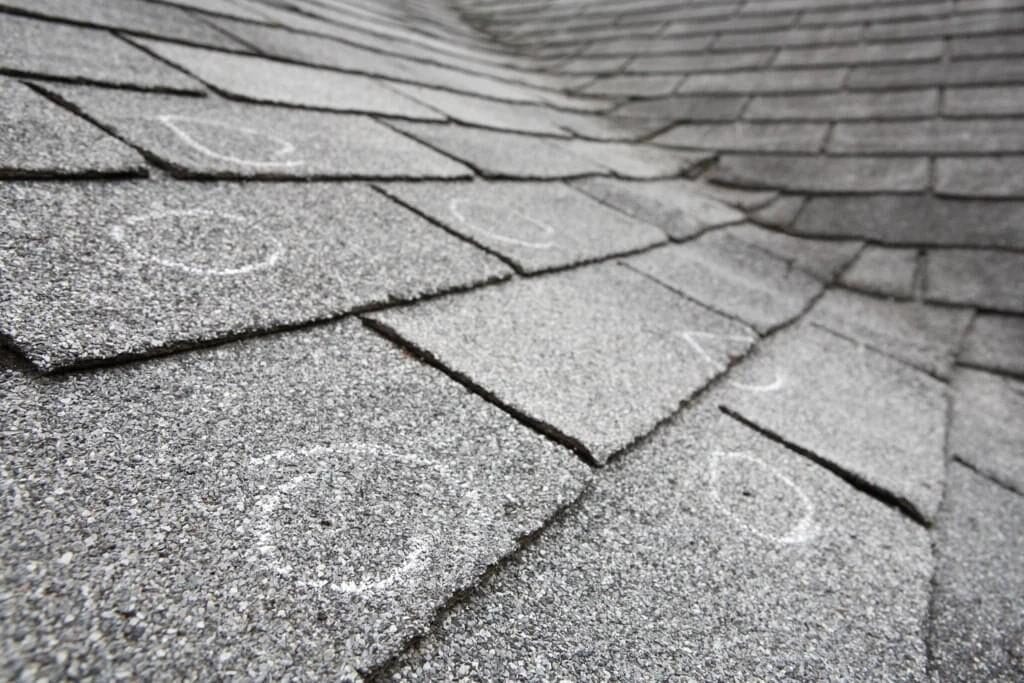
Roof shingle repair needs typically surface 15 to 30 years after installation. The timeline varies based on quality and climate conditions. Homeowners tend to miss early warning signs until they face major damage that can get pricey. Quick identification of shingle repair problems can protect your wallet from hefty expenses later.
Nature constantly tests your roof’s durability. Wind gusts above 70 km/h can loosen or completely tear off roof shingles. The roof’s integrity faces threats from blistering, cracking, curling edges, and granule loss. Your attic’s poor ventilation can trap moisture under the shingles and speed up their deterioration.
In this piece, you’ll learn to spot warning signs that show your roof shingles need repairs. We’ll uncover hidden damage causes and show you practical ways to handle shingles repair before serious problems develop.
Visible Signs Your Roof Needs Attention
Your home needs protection from a well-maintained roof shingles system. Regular checks help spot early warning signs of damage. Look for bald spots where granules have worn away and left the black underlayer exposed. These vulnerable areas put your roof’s UV protection, water resistance, and fire safety at risk.
Your gutters and downspouts tell a story about granule accumulation. You’ll need shingle repair if you notice heavy granule deposits piling up at the bottom of downspouts.
Watch out for curling shingles that lift up like scrolls. These gaps let water seep in and lead to leaks, mold, and structural problems. Discoloration or fading shows damage as protective granules wear away.
Dark patches on your roof point to missing or blown-off shingles. Temperature changes and UV rays create breaks in cracked shingles. These cracks reduce your roof shingles’ defense against water damage.
Need reliable roof shingle repair near me? The experts at Silverline Roofing Ltd can help. Call us at 587-404-4659. We’ll get a full picture of the damage and suggest the right shingles replacement or shingle roof repair before small problems turn into costly repairs.
Hidden Issues That Lead to Shingle Damage
Your eyes might catch obvious roof damage, but hidden problems that ever spread can speed up shingle damage. Poor attic ventilation leads these invisible threats. Heat and moisture get trapped without proper airflow. This makes roof shingles break down 24% faster than they should. The trapped moisture creates condensation that soaks insulation and lets mold grow on the roof deck.
Your shingles face another hidden enemy – thermal shock affects roof shingle repair needs. Summer thunderstorms can cause quick temperature drops. Shingles expand in heat and then contract fast. This creates tiny cracks you can’t see from ground level. Water sneaks through these small breaks long before
you notice any damage.
More than that, poor installation can affect your shingle’s life by a lot. Wrong nail patterns, badly arranged shingles, and poor underlayment create weak spots. These mistakes often cancel manufacturer warranties.
Time naturally weakens shingles as asphalt dries and loses its flex. Some spots get more sun and wear out faster. Roofers call this “The Tale of Two Roofs” when south and west slopes age quicker.
Let Silverline Roofing Ltd check these hidden issues. Call us at 587-404-4659. Our experts spot and fix concealed problems before they get pricey and need
shingles replacement or full shingle roof replacement.
How to Fix or Replace Damaged Shingles
Repairing damaged roof shingles becomes easy when dealing with minor problems, but major damage needs professional help. DIY shingle repair requires basic tools: a ladder, pry bar, roofing nails, roofing cement, utility knife, and matching replacement shingles.
The process of replacing a damaged shingle follows simple steps. Break the sealant bond with a flat pry bar under the shingle’s edge. Remove all nails that hold the damaged shingle by lifting it gently. Slide the damaged shingle out and put the new one in its place. Make sure it lines up with nearby shingles. Add roofing nails and seal the edges with roofing cement.
All the same, roof shingle repair comes with real safety risks. Falls are the biggest problem when homeowners try repairs themselves. Professional roofers have the right equipment and training that keeps them safe.
Safety aside, professional shingles replacement will give a better result. Bad repairs can make things worse and create ongoing structural problems. Expert roofers work faster because of their experience and back their work with warranties on materials and labor.
Our Silverline Roofing Ltd team makes sure your shingle roof repair is perfect from start to finish.
Conclusion
Your roof shingles last longer and prevent structural damage when you take good care of them. Watch for warning signs like granule loss, curling, cracking, or missing shingles. These problems can get pricey if you don’t fix them early. Poor ventilation and thermal shock are hidden threats that can damage your investment if left unchecked.
Minor shingle repair might tempt you to try DIY fixes. Professional repairs are a great way to get better safety, quality, and longer-lasting results. Trained experts have the right equipment and techniques to handle dangerous roof shingle repair safely, and they end up saving you time and money.
Weather doesn’t destroy your roof overnight. Regular inspections protect you from major deterioration. Early detection of shingle damage means you’ll likely need simple, budget-friendly shingles replacement instead of a full roof replacement.
Do you need expert help with your roof shingle repair? Check out our website at or give us a call at 587-404-4659. Our Silverline Roofing Ltd team provides detailed inspections, honest evaluations, and quality repairs that keep your home protected for years. Your roof needs professional care from experts who understand its unique challenges.
Key Takeaways
Early detection of roof shingle problems can save thousands in repair costs and prevent extensive structural damage to your home.
Inspect for visible warning signs: curling edges, missing granules, cracks, and granule buildup in gutters signal immediate repair needs • Hidden threats like poor attic ventilation and thermal shock accelerate shingle deterioration by up to 24% faster than normal • Professional repairs ensure safety and quality—DIY attempts risk falls and improper installation that can void warranties • Regular roof inspections catch damage early, typically requiring simple shingle replacement rather than costly full roof replacement
Most asphalt shingles need attention within 15-30 years, but catching problems early through routine inspections transforms potentially catastrophic roof failures into manageable, affordable repairs. Weather damage progresses gradually then suddenly—making proactive maintenance your best defense against expensive emergency replacements.
FAQs
Q1. What are the visible signs that indicate my roof shingles need repair?
Look for curling edges, missing granules, cracks, and granule buildup in gutters. These signs often indicate that your shingles are deteriorating and require immediate attention.
Q2. How long do typical asphalt roof shingles last?
Most asphalt roof shingles need repair or replacement within 15 to 30 years after installation, depending on factors such as quality and climate conditions.
Q3. Can poor attic ventilation affect my roof shingles?
Yes, inadequate attic ventilation can trap heat and moisture, causing shingles to deteriorate up to 24% faster than normal and potentially leading to mold growth on the roof deck.
Q4. Is it safe to repair roof shingles myself?
While minor repairs can be done DIY, roof work involves significant safety risks, particularly falls. Professional roofers have proper safety equipment and training to minimize these hazards and ensure quality workmanship.
Q5. How often should I inspect my roof for shingle damage?
Regular roof inspections are crucial as your first line of defense against extensive deterioration. It’s recommended to inspect your roof at least once a year, and after severe weather events, to catch shingle damage early.