June 2026

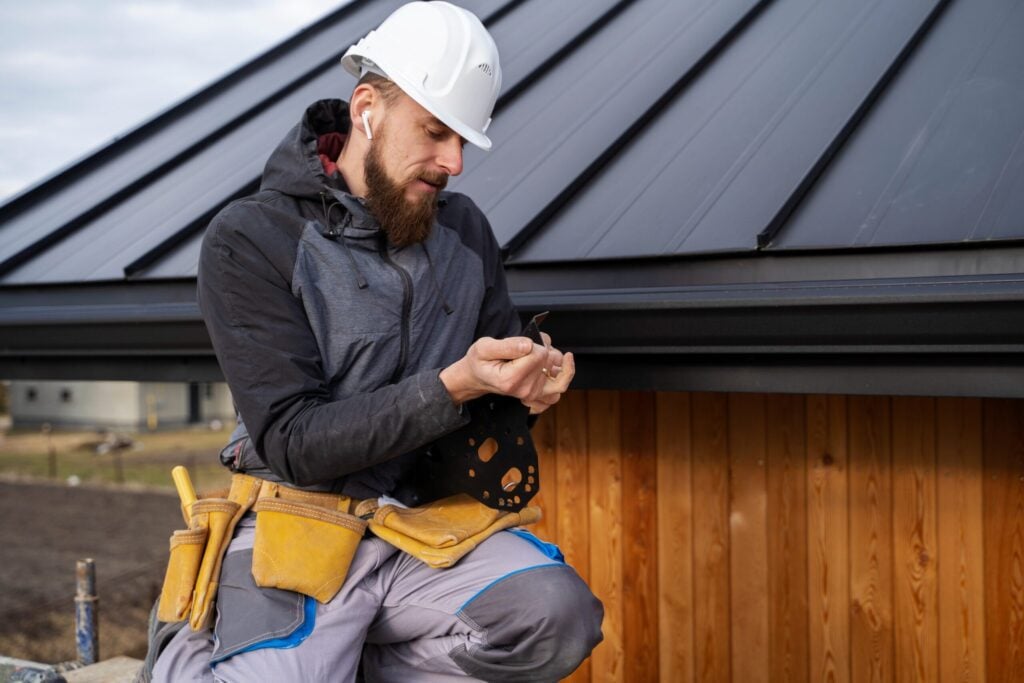
Professional roofing contractors installing a new asphalt shingle roof on a home in Edmonton, illustrating roof installation costs, process, and homeowner expectations.

New Roof Installation in Edmonton: What to Expect, What It Costs, and How to Get It Right

Whether you’re building a new home, replacing a roof that’s reached the end of its life, or upgrading to better materials after years of Alberta storms — a new roof installation in Edmonton is one of the largest and most important investments you’ll make as a property owner. Most homeowners go into the process knowing very little about what actually happens between signing a contract and the crew packing up their trailer. That information gap leads to surprises, miscommunication, and in some cases, costly mistakes that show up years down the line. This guide walks you through the entire new roof installation process in Edmonton — what happens at each stage, what it costs in 2026, what your contractor should be doing that some skip, and what questions to ask before you sign anything. Is It a New Installation or a Replacement? The Difference Matters Before diving into the process, it’s worth clarifying the difference between a new roof installation and a roof replacement — because they involve different scopes of work and different cost structures. A new construction roof installation is exactly what it sounds like — a roof being built on a new home or addition from scratch, starting with bare roof decking. There is no tear-off involved, no old material to remove, and the decking condition is known from the start. This is typically a faster, more straightforward project. A roof replacement involves removing your existing roofing system down to the deck, inspecting and repairing the deck where needed, and installing an entirely new roofing system on top. This is what most Edmonton homeowners are dealing with when their current roof has aged out or been damaged. Both are referred to as “new roof installation” in everyday conversation, and both are covered in this guide. The process is similar — the main difference is the tear-off and deck repair phase that replacements require. The Full New Roof Installation Process in Edmonton — Step by Step Step 1: Roof Assessment and Scope of Work Every professional new roof installation in Edmonton starts with a thorough assessment — not a glance from the driveway. A qualified contractor inspects the existing structure (or plans for new construction), documents the scope of work, confirms the ventilation requirements under Alberta Building Code, and provides a detailed written quote. Be cautious of any contractor who quotes a new roof installation without physically inspecting the roof and attic. Prices quoted without a proper site visit almost always change once the job starts — usually upward. A proper roof inspection in Edmonton is the foundation of an accurate quote. Step 2: Material Selection This is where you make the decision that affects the next 25 to 50+ years of your roof’s performance. Edmonton’s climate demands materials that can handle freeze-thaw cycling, heavy snow loads, UV exposure, and hail — often all in the same year. Your main options for a new roof installation in Edmonton: Asphalt shingles remain the most popular choice for residential homes. Dimensional (architectural) asphalt shingles offer the best balance of cost, durability, and aesthetics, with lifespans of 30–50 years when properly installed and ventilated. Standard installed cost runs $5,000–$13,000 for a typical Edmonton home. Read more about asphalt shingle installation in Edmonton. Metal roofing is the longest-lasting option, with a lifespan of 40–70 years and exceptional performance in snow and wind. It costs significantly more upfront — typically $15,000–$35,000 installed — but its longevity and near-zero maintenance often make it the more cost-effective choice over a 40-year horizon. Learn more about metal roofing in Edmonton. Euroshield rubber roofing is the top choice for hail resistance, carrying a Class 4 impact rating and a 50+ year lifespan. Made from recycled materials in Canada, it’s an ideal long-term investment for Edmonton homeowners who want to reduce insurance premiums and storm damage risk. Explore Euroshield rubber roofing in Edmonton. Flat roofing systems (modified bitumen, TPO, EPDM) are used for low-slope commercial and some residential applications. Silverline Roofing installs multiple flat roofing systems across Edmonton — learn more at our flat roofing Edmonton page. Step 3: Permits and Code Compliance A professional roofing contractor in Edmonton handles the permit process on your behalf. The City of Edmonton requires a Home Improvement Permit for most full roof installations, typically costing $150–$500 depending on the project scope. As of 2026, new Roof Truss Engineering Requirements also apply to projects involving major structural changes — your contractor must be aware of these and factor them into the project plan. A contractor who tells you permits aren’t necessary for a full roof installation is not someone you want on your roof. Step 4: Tear-Off and Deck Inspection (Replacements) For roof replacements, day one typically begins with removing the old roofing material completely down to the deck boards. This is important — laying new shingles over old ones traps moisture, adds weight, and prevents proper inspection of the deck underneath. Silverline Roofing always performs a complete tear-off on replacement projects. Once the deck is exposed, any soft, rot-damaged, or structurally compromised sections are identified and replaced before the new installation begins. This is also when ventilation corrections are made — blocked soffit channels cleared, baffles installed, ridge vent systems upgraded where needed. For more on why this matters, read our guide on roof ventilation in Edmonton. Step 5: Underlayment and Ice-and-Water Shield Before any shingles go down, the deck receives a layer of protective underlayment — typically synthetic felt — across the entire surface. Equally important in Edmonton’s climate is the ice-and-water shield membrane, a self-adhering waterproof barrier installed along the eaves (minimum 2 metres from the inside wall line, per Alberta Building Code) and in all valleys. Ice-and-water shield is not optional in Edmonton. It’s the barrier that prevents meltwater backing up under your shingles during freeze-thaw events from reaching your roof deck. Any quote that doesn’t mention it should prompt a question. Step 6: Shingle or Material Installation With the deck prepared and protected, the actual roofing
New Roof Installation in Edmonton: What to Expect, What It Costs, and How to Get It Right Read More »

Roof Ventilation Edmonton: Attic Rain, Ice Dams & Fixes (2026)

Roof Ventilation Edmonton: Why Most Homes Get It Wrong — And Pay for It

Here’s something most Edmonton homeowners don’t expect to hear: one of the most common causes of roof damage in this city has nothing to do with hail, wind, or snow. It’s the air trapped inside your own attic. Poor roof ventilation is behind a surprisingly large number of the premature shingle failures, winter ice dams, mould problems, and mysterious interior leaks that Edmonton roofing contractors deal with every single year. And the frustrating part is that most homeowners don’t find out until the damage is already significant — because the signs hide inside your attic, out of sight, for months before anything shows up on a ceiling. If your Edmonton home was built before 2005, there’s a good chance your roof ventilation system is either outdated, improperly balanced, or partially blocked. This guide explains exactly what roof ventilation does, what goes wrong in Edmonton’s climate, and what to do about it. What Roof Ventilation Actually Does Roof ventilation is the system that moves air continuously through your attic space — drawing fresh cool air in through intake vents at the soffits and pushing warm moist air out through exhaust vents at the ridge or near the roof peak. This airflow does three critical things for your home: In winter, it keeps the attic cold. That might sound counterintuitive, but a cold attic is exactly what you want in Edmonton. When attic temperatures stay near the outside air temperature, the snow on your roof stays frozen evenly — preventing the melt-refreeze cycle that causes ice dams. A warm attic melts the snow above it, and that water refreezes at the cold roof edge, forming the thick ice ridges that force water back under your shingles. In summer, it exhausts heat. Edmonton attics with inadequate ventilation can reach 60–70°C on hot July days. That extreme heat accelerates shingle granule loss, causes the asphalt mat to harden and crack prematurely, and drives up your air conditioning costs by forcing your HVAC system to fight the heat radiating down from above. Year-round, it removes moisture. Every time someone showers, cooks, or even breathes inside your home, moisture-laden warm air rises. In a well-ventilated attic, this air exits before it can cause damage. In an under-ventilated attic, it hits the cold underside of your roof deck and turns to frost — then melts when temperatures rise. Edmonton roofers have a name for that last problem. They call it attic rain. Attic Rain: Edmonton’s Most Misunderstood Roof Problem Attic rain is not a leak. It doesn’t come through damaged shingles or failed flashing. But it mimics a leak so closely that many homeowners — and even some contractors — mistake it for one and apply the wrong fix entirely. Here is what happens: during Edmonton’s deep freeze periods, warm humid air from your living space migrates into the attic and condenses on the cold roof deck as frost. Everything appears fine while temperatures stay below freezing. Then a chinook arrives or temperatures rise rapidly — as they frequently do in Edmonton — and all that accumulated frost melts at once, dripping through your insulation and down through your ceiling. The water appears suddenly, often after a mild spell, and stops when temperatures drop again. That on-off pattern is the clearest diagnostic signal that you’re dealing with attic rain rather than a roof penetration leak. The fix is not a new roof. The fix is correct attic ventilation. Watch for these warning signs of attic rain and ventilation failure in your Edmonton home: If you’re seeing any of these, a professional roof inspection in Edmonton should be your first call — not a roofing patch. The Alberta Building Code Rule Most Homeowners Don’t Know Alberta’s Building Code requires a minimum net free ventilation area equal to 1/300 of the insulated ceiling area — and that ventilation must be balanced, meaning roughly half the venting capacity must be intake at the soffits and the other half exhaust at or near the ridge. In practice, the most common ventilation failure Silverline Roofing finds in Edmonton homes is not insufficient exhaust — it’s blocked intake. Attic insulation that has been added over the years gradually migrates toward the soffit area, compressing against the eave and sealing off the intake vents entirely. Without fresh cold air coming in at the bottom, no amount of ridge venting at the top will create meaningful airflow. The second most common problem is conflicting vent types. Mixing ridge vents with upper-roof box vents or turbines short-circuits the system — the exhaust vents closest to the ridge pull air from the lower exhaust vents rather than drawing it through the soffit intake. The result is a small loop of recirculated attic air that does almost nothing to remove moisture. Types of Roof Ventilation Used on Edmonton Homes Understanding your options helps you have an informed conversation with your contractor when ventilation upgrades are on the table. Ridge vents run continuously along the roof peak and are the most effective passive exhaust system for pitched residential roofs. They are visually low-profile and, when paired with proper soffit intake, create the most consistent airflow pattern of any passive system. Soffit vents are the intake side of the equation. They can be continuous (a perforated strip running the full length of the soffit) or individual round or rectangular units placed at intervals. Continuous soffit vents provide the most consistent intake and are strongly preferred in Edmonton’s climate. Box vents (static vents) are cut into the roof deck near the peak and allow hot air to escape. They work adequately on their own but are generally outperformed by continuous ridge vents and should never be mixed with ridge vents on the same roof. Power vents (attic fans) are electrically powered exhaust units that actively pull air through the attic. They can be effective but must have adequate soffit intake to work correctly — otherwise they depressurize the attic and draw conditioned air out of your living space, raising your

Roof Ventilation Edmonton: Why Most Homes Get It Wrong — And Pay for It Read More »

Hail Damage Roof in Edmonton

Hail Damage Roof in Edmonton: What to Do, What’s Covered, and How to Claim

If you’ve lived in Edmonton for more than a few summers, you’ve heard hail hammering your roof. What you may not know is that some of the most expensive hail damage is completely invisible from your driveway — and missing it on your insurance claim can cost you thousands. Alberta sits in the middle of Canada’s most active hail corridor, and the Edmonton area takes a direct hit every season between June and August. The 2025 storm season alone caused over $2.8 billion in insured losses across the province. Knowing what to look for after a storm, how to document it properly, and what your insurance policy actually covers can make the difference between a claim that pays and one that gets denied or underpaid. This guide walks you through every step — from spotting hail damage on your roof to upgrading your shingles so the next storm costs you far less. Why Hail Damage on Edmonton Roofs Is Easier to Miss Than You’d Think Here’s the frustrating truth about hail damage: the storms that cause the most long-term roof problems often don’t leave the dramatic holes or missing shingles you’d expect to see. Hailstones between 1 and 2 cm in diameter are some of the most damaging — they hit hard enough to knock the protective granules off your shingles and bruise the asphalt mat underneath, but leave no obvious marks visible from the ground. Those knocked-off granules are your roof’s UV shield. Once they’re gone, the asphalt underneath degrades rapidly, leading to cracking, curling, and leaks — sometimes months after the original storm hit. By the time you notice a water stain on your ceiling, your insurance claim window may already be closing. This is why a professional roof inspection in Edmonton after any significant storm is not optional — it’s the step that protects your entire claim. 5 Signs Your Edmonton Roof Has Hail Damage Don’t wait for a leak to confirm the damage. Here’s what a trained roofer looks for after an Edmonton hailstorm: 1. Granule loss on shingles — Check your downspouts and eavestroughs for a heavy build-up of dark granules. More than a small amount after a storm is a red flag. Learn more about eavestrough repair in Edmonton and why your gutters are the first place to check. 2. Bruising or soft spots in the shingle mat — These are only detectable by pressing on the shingle surface. A soft, spongy feel where the mat has been fractured underneath is a sign of serious structural damage. 3. Dents on soft metals — Check your vents, flashing, downspouts, and any aluminum trim. Hail leaves visible dents on soft metals that are impossible to dispute with an adjuster. 4. Cracked or split shingles — Larger hailstones leave visible cracks. If you see cracked shingles in one area, there’s almost certainly hidden damage across the rest of the roof. 5. Damaged rubber boots around vents — The rubber collars sealing your plumbing stack vents are highly vulnerable to hail impact. Cracked or split boots cause slow, hidden leaks that often go undetected for months. If you’re seeing one or more of these signs, contact Silverline Roofing for a storm damage inspection before you call your insurer. How to File a Hail Damage Roof Insurance Claim in Edmonton — Step by Step Alberta has a 12-month statutory deadline for reporting storm damage to your insurer. Miss it and your claim is almost certainly void. Here’s the correct process: Step 1 — Document everything immediately. Take time-stamped photos and video of your roof (from safe vantage points), gutters, downspouts, siding, and any soft metal surfaces. Save any Environment Canada severe weather alerts for your area on the date of the storm. Note the exact date and approximate time the storm hit your neighbourhood. Step 2 — Get a professional roof inspection first. Before calling your insurer, have a qualified Edmonton roofing contractor inspect and document the damage in writing. A professional report carries far more weight with an adjuster than homeowner photos alone. Silverline Roofing provides written inspection reports for all storm damage assessments. Step 3 — Call your insurer’s claims line. Open the claim with your policy number, the storm date, and a summary of the documented damage. Request that the insurance adjuster meet your roofer on-site for the assessment — this is your right, and it ensures nothing gets missed. Step 4 — Understand RCV vs. ACV. Your payout depends heavily on which type of coverage your policy uses. Replacement Cost Value (RCV) pays the full cost to replace your roof with like-for-like materials. Actual Cash Value (ACV) deducts depreciation — so a 15-year-old roof may only receive 30–50% of replacement cost. Roofs over 15 years old are frequently moved to ACV coverage, which is why the age and condition of your shingles matters enormously. Check your policy documents before the storm season, not after. Step 5 — Review the adjuster’s scope carefully. Insurance adjusters work from a line-item pricing system. Items that are sometimes missed include code-required upgrades, ice-and-water shield replacement, and proper drip edge installation. A roofing contractor experienced with insurance claims will identify any gaps in the adjuster’s scope before you accept a settlement. If your claim is denied or you believe it was underpaid, you have the right to request a re-inspection or involve a public adjuster. Should You Upgrade to Class 4 Impact-Resistant Shingles After a Hail Claim? If your roof needs replacement after a hail claim, this is the single most important upgrade question to ask your contractor. Class 4 shingles — rated under the UL 2218 impact resistance standard — are the highest-rated shingles available. Products like Euroshield rubber shingles, which Silverline Roofing installs as a certified Edmonton contractor, carry a Class 4 rating and are built from recycled materials that absorb hail impact without cracking or fracturing. The financial case for upgrading is strong. Many Alberta insurance providers offer premium discounts of 10% or more for homes

Hail Damage Roof in Edmonton: What to Do, What’s Covered, and How to Claim Read More »

Eavestrough Repair Edmonton: Signs, Costs & What to Do (2026)

Eavestrough Repair in Edmonton: What Every Homeowner Needs to Know

Your roof gets all the attention — but your eavestroughs are quietly doing one of the most important jobs on your home. Every time it rains or snow melts, your eavestroughs and downspouts collect and redirect thousands of litres of water away from your walls, foundation, and landscaping. When they fail, the damage doesn’t stop at the gutters. It travels straight down to your siding, fascia boards, and eventually your basement. In Edmonton’s extreme climate — with freeze-thaw cycles, poplar fluff season, and heavy spring rains — eavestroughs take a serious beating. This guide covers everything you need to know about eavestrough repair in Edmonton: the warning signs, common causes of failure, repair vs. replacement, and what it actually costs. Why Eavestroughs Matter So Much in Edmonton Edmonton’s climate creates unique challenges for eavestroughs that milder cities simply don’t face. Winter temperatures regularly drop to -30°C, then swing up rapidly in spring — sometimes 20 to 30 degrees within 48 hours. That expansion and contraction stresses every joint, seal, and bracket holding your gutters in place. Add in Edmonton’s well-known poplar fluff season in June, which blankets eavestroughs in a fibrous mat that traps moisture and causes overflow, and you have conditions that degrade gutters faster than almost anywhere else in Canada. A blocked or damaged eavestrough isn’t just an inconvenience. Water overflowing near your foundation can lead to basement seepage, wood rot along your fascia, and erosion of your landscaping. Addressing eavestrough issues early is always far cheaper than repairing the downstream damage they cause. If your roof also has concerns, a professional roof inspection in Edmonton will assess your full drainage system at the same time. 6 Warning Signs Your Eavestroughs Need Repair Many Edmonton homeowners don’t notice eavestrough problems until water is visibly overflowing or they spot staining on their siding. Watch for these signs before they escalate: 1. Water overflowing during rain — The most obvious sign. If water is pouring over the edge rather than draining through the downspout, you likely have a clog, a sagging section, or a damaged outlet. 2. Sagging or pulling away from the fascia — Brackets holding your eavestroughs to the fascia board can rust or loosen over time, especially after the weight of ice in winter. A sagging gutter doesn’t drain properly and puts stress on your roof trim. 3. Visible cracks, holes, or rust spots — Small cracks grow quickly once water begins freezing inside them. Rust spots indicate the metal has started to deteriorate and may need section replacement. 4. Water staining on siding or foundation — Dark streaks down your exterior walls or water marks near your foundation are signs that your eavestroughs have been leaking for some time. 5. Leaking joints or seams — Older sectional eavestroughs have multiple joints sealed with caulk. Edmonton’s temperature swings cause this sealant to crack over time, creating drip points at every connection. 6. Ice dams forming in winter — When eavestroughs are clogged or improperly sloped, water backs up and freezes, forming ice dams that push under your shingles. This is one of the leading causes of roof repair calls in Edmonton every spring. Eavestrough Repair vs. Replacement — Which Do You Need? Not every eavestrough issue requires full replacement. Here’s a straightforward way to decide: Repair makes sense when: Replacement makes sense when: If your eavestroughs are failing alongside other roof concerns, it may be worth scheduling a roof replacement in Edmonton and replacing the eavestroughs at the same time to save on labour costs. Eavestrough Repair Costs in Edmonton — 2026 Guide Costs vary based on the extent of damage, gutter material, and linear footage involved. Here are realistic ranges for Edmonton homeowners: Service Estimated Cost Resealing leaking joints $150 – $300 Replacing one damaged section $200 – $450 Full eavestrough cleaning $175 – $350 Downspout repair or replacement $100 – $250 per downspout Full eavestrough replacement (per linear foot) $12 – $25 installed Seamless aluminum upgrade (full home) $1,200 – $3,500+ Keep in mind that leaving damaged eavestroughs unaddressed can lead to fascia board replacement ($500–$2,000+) or foundation waterproofing repairs that run into the tens of thousands. Prevention is always the better investment. How Often Should You Clean Your Eavestroughs in Edmonton? Most Edmonton homeowners should clean their eavestroughs at least twice a year — once in late spring after the poplar fluff season settles, and again in mid-fall after the leaves have dropped. Homes surrounded by mature trees may need three cleanings per year. Regular cleaning prevents the build-up that leads to sagging, overflowing, and ice dam formation in winter. It also gives you a chance to spot small cracks or loose brackets before they become bigger repairs. Eavestroughs and Your Roof Work Together Your eavestrough system is the final step in your roof’s water management chain. A well-maintained roof directs water to the eavestroughs; healthy eavestroughs carry it safely to the ground and away from your home. If either system fails, the other is put under additional stress. That’s why Silverline Roofing handles both. Whether you need eavestroughs and gutters repaired alongside a new asphalt shingle installation, or a standalone eavestrough inspection after a tough Edmonton winter, our team will give you an honest assessment and a clear, upfront quote. We serve Edmonton and the surrounding area, including Spruce Grove, St. Albert, Sherwood Park, Leduc, and Fort Saskatchewan. Book Your Free Eavestrough Inspection Today Don’t wait for a heavy rain to find out your eavestroughs are failing. Contact Silverline Roofing today for a free, no-obligation eavestrough inspection and estimate. We’ll assess your full drainage system, identify any roof-related issues at the same time, and give you clear options — repair, replacement, or a simple cleaning to get you through another season. Silverline Roofing Ltd. — Edmonton’s Trusted Roofing & Eavestrough Contractor , Call – (587) 754-9495 | reception@silverlineroofing.ca

Eavestrough Repair in Edmonton: What Every Homeowner Needs to Know Read More »

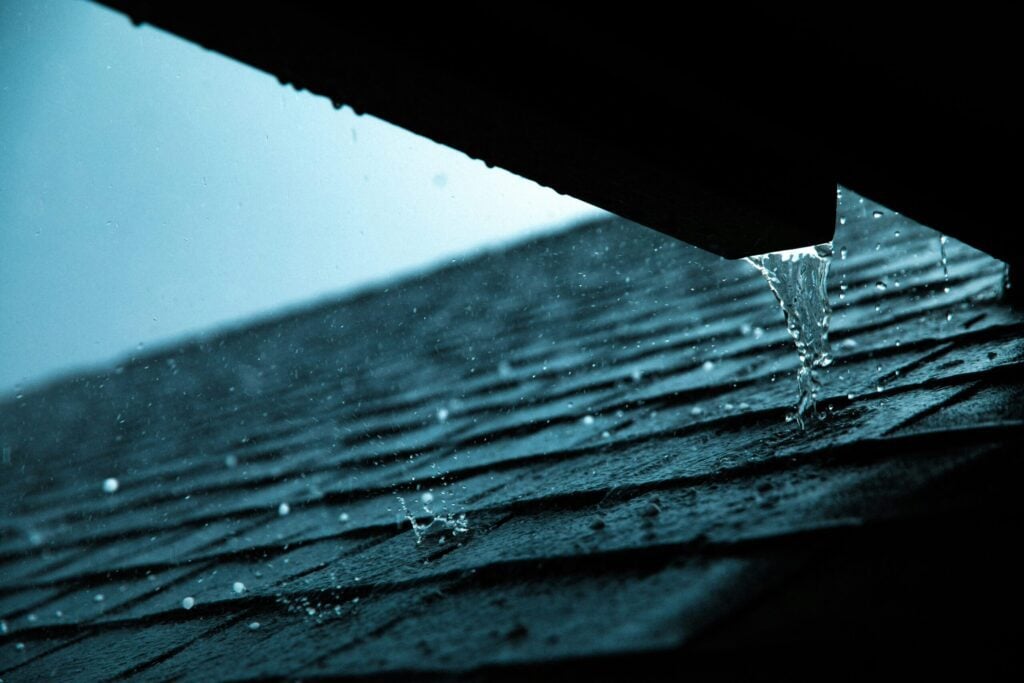
Rain falling on dark asphalt roof shingles with water streaming off the edge in Edmonton

Types of Roof Shingles in Edmonton: Which One Is Right for Your Home?

Your roof takes a serious beating in Edmonton. From heavy snowfall and freeze-thaw cycles to hailstorms and blazing summer heat — the shingles on your roof are your home’s first and most important line of defence. Choosing the right type of roof shingles is not just about appearance; it directly affects how long your roof lasts, how much you spend on repairs, and how well your home stays protected year after year. If you’re planning a roof replacement in Edmonton or simply researching your options, this guide breaks down every major type of roof shingle available in Canada, their costs, lifespan, and which is best suited for Edmonton’s climate. Why the Right Roof Shingles Matter in Edmonton Edmonton sits in a climate zone that demands a lot from roofing materials. Winters regularly dip below -30°C, and spring brings rapid thaw cycles that stress roofing materials. Add in Alberta hailstorms — one of the most frequent in Canada — and you need shingles that are genuinely built to handle it all. Choosing the wrong shingles can mean cracked, curling, or missing shingles just a few years into your roof’s life. That leads to roof repair costs in Edmonton that add up fast. Picking the right product from the start saves you money and stress in the long run. The Most Common Types of Roof Shingles in Edmonton 1. Asphalt Shingles — The Most Popular Choice Asphalt shingles are by far the most common roof shingles used on Canadian homes, and for good reason. They offer a solid balance of affordability, durability, and variety. There are two main styles: 3-Tab Asphalt Shingles are the traditional flat, uniform-looking option. They are lighter and more budget-friendly, typically lasting 20 to 25 years. In Edmonton’s harsher climate, they are considered the entry-level option. Dimensional (Architectural) Asphalt Shingles are thicker, heavier, and designed to mimic the look of cedar shake or slate. They last 30 to 50 years and perform significantly better against wind and impact. Most Edmonton homeowners upgrading their roofs choose dimensional shingles for the improved durability and curb appeal. Roof shingles cost in Edmonton for asphalt: Our team installs premium asphalt shingles in Edmonton from top-rated brands and backs every project with a workmanship warranty. 2. Rubber (Euroshield) Shingles — Best for Hail Resistance Rubber roof shingles have become increasingly popular in Alberta precisely because of hail. Products like Euroshield — a Canadian-made rubber shingle crafted from recycled tires — are designed to absorb impact without cracking or breaking. They are Class 4 impact-rated, which is the highest available rating, and many insurance companies in Alberta offer premium discounts for homes with impact-resistant shingles. Rubber shingles are also excellent at handling Edmonton’s freeze-thaw cycles since they flex with temperature changes rather than becoming brittle and cracking. Their lifespan can reach 50+ years with minimal maintenance. Rubber roof shingles cost in Canada: approximately $8.00 – $14.00 per square foot installed, depending on the product and roof complexity. Silverline Roofing is a certified installer of Euroshield rubber roofing in Edmonton, giving you access to one of the best impact-resistant options on the market. 3. Composite (Synthetic) Shingles — Premium Look, Long Life Composite shingles are engineered from a blend of fibreglass, recycled plastics, and other materials. They are designed to look like wood shake, slate, or tile while offering far superior durability and far less maintenance than the real thing. Premium composite shingles can carry 40 to 50-year warranties and are highly resistant to UV damage, moisture, and impact. For Edmonton homeowners who want high curb appeal without the maintenance demands of natural materials, composite shingles are an excellent investment. Cost: approximately $9.00 – $16.00 per square foot installed. 4. Metal Roofing — Longest-Lasting Option While technically not traditional shingles, metal roofing panels and shingle-style metal roofing are worth including in any honest comparison. A metal roof in Edmonton can last 40 to 70 years, handles snow load exceptionally well, and is fire-resistant. The higher upfront cost is offset by its near-zero long-term maintenance requirements. If you’re interested in exploring this option, learn more about metal roofing in Edmonton and whether it suits your home. 5. Cedar Shingles — Classic Beauty with Higher Maintenance Cedar shake and shingle roofs have a beautiful, natural appearance that many homeowners love. However, cedar requires regular maintenance to resist moisture, mould, and rot — particularly in Edmonton’s wet spring seasons. Many homeowners with aging cedar roofs are now opting for a cedar conversion in Edmonton, switching to dimensional asphalt or composite shingles that replicate the wood look without the upkeep. How Long Do Roof Shingles Last in Edmonton? Shingle Type Estimated Lifespan 3-Tab Asphalt 20 – 25 years Dimensional Asphalt 30 – 50 years Rubber (Euroshield) 50+ years Composite/Synthetic 40 – 50 years Metal Shingles 40 – 70 years Cedar 20 – 30 years (with maintenance) Lifespan depends heavily on installation quality, ventilation, and ongoing maintenance. A professional roof inspection in Edmonton every few years helps catch small issues before they shorten your roof’s life. Signs You Need Roof Shingle Repair or Replacement Not sure whether you need a repair or full replacement? Watch for these warning signs: If you’re seeing one or more of these signs, reach out for roof shingles repair in Edmonton before a small issue becomes a costly problem. For homes where damage is widespread, a full roof shingles replacement may be the more cost-effective long-term choice. What’s the Cost to Replace Roof Shingles in Edmonton? Roof shingles replacement costs in Edmonton vary based on roof size, pitch, chosen material, and labour. As a general guide for a typical 1,500 – 2,000 sq ft Edmonton home: For a detailed breakdown of what affects pricing, visit our roof replacement cost guide for Edmonton — it covers everything from labour rates to material upgrades in 2026. Choosing the Best Roof Shingles for Edmonton Homes There’s no single “best” option — it depends on your budget, priorities, and how long you plan to stay in your home.

Types of Roof Shingles in Edmonton: Which One Is Right for Your Home? Read More »

Scroll to Top