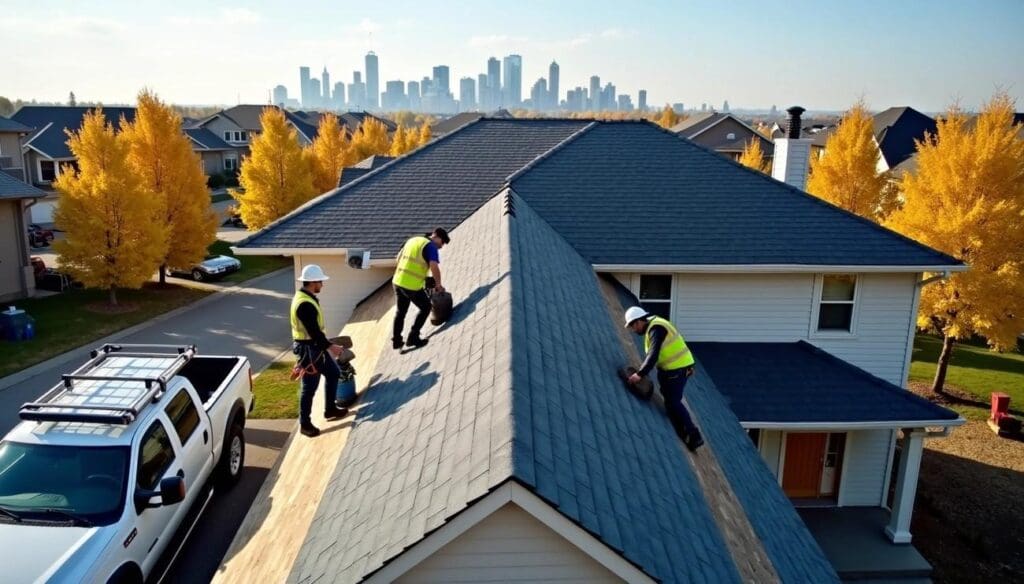
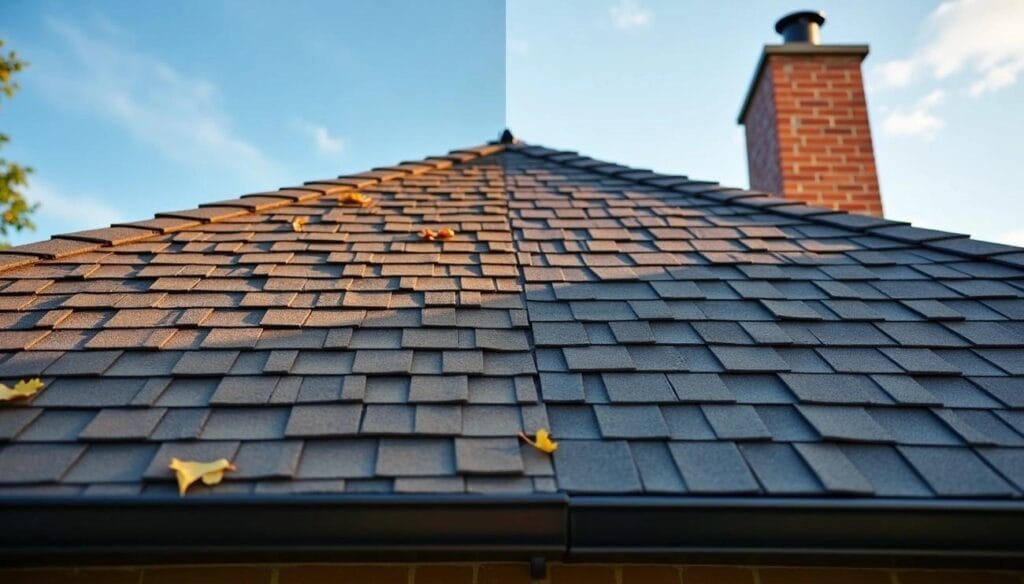
Your roof is more than just a protective barrier—it’s a critical investment that impacts your home’s energy efficiency, structural integrity, and market value. For Edmonton homeowners, understanding when to consider re-roofing can save thousands in emergency repairs while significantly reducing energy costs. With Edmonton’s harsh climate presenting unique challenges through extreme temperature fluctuations, heavy snow loads, and intense UV exposure, knowing the right time for energy-efficient re-roofing Edmonton can make all the difference. Understanding Re-Roofing vs. Roof Replacement Before diving into when to re-roof, it’s essential to understand what re-roofing entails. Re-roofing involves installing new roofing materials over your existing roof structure, providing fresh protection and improved performance. While roof replacement removes everything down to the deck, re-roofing can be a cost-effective solution when your roof structure remains sound but the surface shows signs of aging. However, re-roofing isn’t suitable for every situation. Edmonton building codes typically allow only one layer of shingles over the original roof, meaning if your home already has multiple layers, a complete replacement becomes necessary. Key Signs It’s Time for Energy-Efficient Re-Roofing Edmonton Age of Your Roof The lifespan of Edmonton roofs varies significantly based on materials and maintenance. Asphalt shingles, the most common roofing material in Edmonton, typically last 15-25 years in our climate. If your roof approaches or exceeds this age range, re-roofing becomes a proactive investment rather than a reactive expense. Metal roofs demonstrate superior longevity, lasting 40-70 years with proper maintenance. However, even these durable systems eventually require attention. Cedar shingles typically need replacement after 30 years, while clay and concrete tiles can endure 50-100 years. Visible Shingle Damage Edmonton’s freeze-thaw cycles create particularly harsh conditions for roofing materials. Watch for these telltale signs of deterioration: Curling or cupping shingles indicate aging materials losing flexibility, creating vulnerabilities for water infiltration. This condition accelerates during Edmonton’s dramatic temperature swings when materials expand and contract repeatedly. Cracked or split shingles expose your roof deck to moisture, leading to structural damage if left unaddressed. These cracks often appear along shingle edges and can allow water penetration during heavy rain or snowmelt. Missing shingles leave your home completely vulnerable to the elements. After Edmonton’s notorious windstorms, which can reach speeds exceeding 90 km/h, missing shingles become a common issue requiring immediate attention. Granule loss manifests as bald spots on shingles and granules accumulating in gutters. This protective layer shields against UV damage, and its loss significantly accelerates roof deterioration. Rising Energy Bills Your roof plays a crucial role in your home’s thermal envelope. When energy bills spike without corresponding usage increases, your roof may be failing as an insulator. Damaged or aging roofing allows conditioned air to escape, forcing HVAC systems to work harder and consume more energy. Studies indicate that up to 25% of home heat loss occurs through inadequately insulated attics and roofs. For Edmonton homeowners facing brutal winter temperatures regularly dropping below -30°C, this heat loss translates directly into hundreds of dollars in unnecessary heating costs. Energy-efficient re-roofing Edmonton solutions address these issues through advanced materials with superior insulative properties and reflective capabilities. Modern roofing materials can reduce energy consumption by up to 15%, providing substantial long-term savings. Ice Dam Formation Ice dams represent one of Edmonton’s most destructive roofing problems, caused by our region’s heavy snowfall and freeze-thaw cycles. These ice ridges form when heat escaping through your roof melts snow, which then refreezes at the colder eaves, creating barriers that trap water. The trapped water backs up under shingles, causing leaks, water damage to ceilings and walls, compromised insulation, and potential mold growth. If ice dams regularly form on your roof, inadequate insulation and ventilation likely indicate the need for re-roofing with improved thermal performance. Water Stains and Leaks Interior water stains on ceilings or walls signal active roof leaks requiring immediate attention. Even small leaks can cause extensive hidden damage, including rotted roof decking, damaged insulation, mold growth, and compromised structural integrity. Edmonton’s spring thaw particularly tests roof integrity as accumulated snow rapidly melts, potentially overwhelming aging roofing systems. If you notice water intrusion during these periods, your roof likely needs replacement. Sagging Roof Sections A sagging roof represents a serious structural issue demanding immediate professional evaluation. This condition indicates trapped moisture has caused underlying boards to rot, compromising your home’s structural integrity. Sagging typically results from prolonged water infiltration, inadequate structural support, or accumulated weight from heavy snow—a particular concern in Edmonton where snow loads can reach 20 pounds per cubic foot for wet snow. Benefits of Energy-Efficient Re-Roofing Edmonton Reduced Energy Costs Energy-efficient roofing materials dramatically impact your home’s thermal performance. Cool roof technology, which reflects more sunlight and absorbs less heat than conventional roofs, can keep roofs 50°F cooler on sunny days. This translates to utility bill reductions of 10-30% depending on building type and location. In Edmonton’s climate, combining reflective roofing with proper insulation creates optimal energy efficiency. While cool roofs primarily reduce cooling costs in summer, proper insulation ensures winter heating efficiency, creating year-round savings. Extended Roof Lifespan Modern energy-efficient roofing materials demonstrate superior durability compared to traditional options. Reflective roofing stays significantly cooler throughout the day, reducing thermal stress that accelerates material degradation. This reduced heat-related wear extends roof lifespan while lowering maintenance frequency. Metal roofing systems, for example, can last 40-70 years while providing excellent energy efficiency through reflective properties. Increased Home Value A new energy-efficient roof provides substantial return on investment, typically recovering 60-75% of installation costs through increased home value. Beyond direct value increases, new roofs serve as powerful sales tools, attracting buyers who appreciate avoiding immediate roofing expenses. Energy-efficient features particularly appeal to modern buyers conscious of utility costs and environmental impact. Homes with new roofs sell faster and command higher prices than comparable properties with aging roofing systems. Improved Comfort Proper roofing insulation and ventilation create more consistent indoor temperatures, eliminating hot and cold spots throughout your home. This improved comfort extends beyond temperature regulation—energy-efficient roofing also reduces noise pollution from rain, hail, and external sources. Environmental